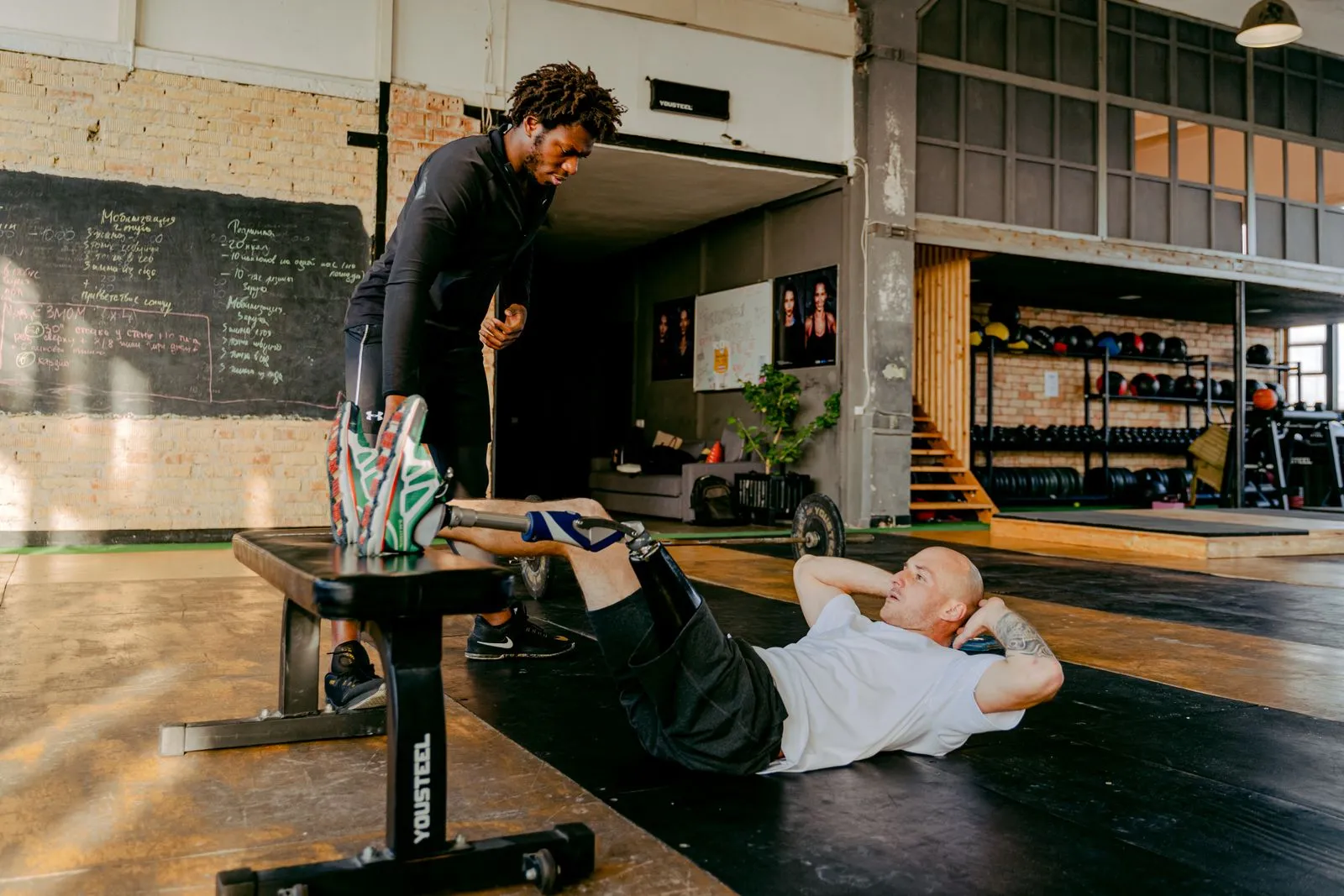
The right adaptive personal trainer should make exercise more accessible while respecting your goals, preferences, and comfort. A useful first conversation goes beyond credentials: it helps you understand how the trainer plans sessions, communicates, and responds when your needs change. Prepare a few direct questions before you meet. Their answers can help you decide whether their approach fits your body, daily routine, and the kind of progress you want to make.
Ask About Relevant Experience
Ask which clients and needs the trainer has worked with, and how that experience relates to your situation. You might ask, “How would you adapt an exercise for someone with my mobility, balance, or energy needs?” Look for a clear, thoughtful answer rather than a promise to use the same plan for everyone. A trainer should also be open about the limits of their experience.
Discuss your goals and any guidance you already receive from a health professional. Ask how the trainer handles exercises that cause discomfort or feel unsafe, and when they would recommend checking with your clinician. A personal trainer does not replace medical care. A responsible professional will respect your boundaries and work within the information you choose to share.
Check Communication and Comfort
Ask how the trainer gives instructions and checks that you understand them. If you prefer demonstrations, concise verbal cues, written steps, or extra time to process directions, say so. You can also ask how they confirm consent before offering hands-on assistance. Clear communication should feel like a two-way process, not a test you have to pass.
Discuss how you want to give feedback during a session. Ask what you can do if an exercise feels uncomfortable, your energy changes, or you want to pause. Notice whether the trainer listens without dismissing your concerns. A good working relationship gives you room to speak up, change course, and make decisions about your own training.
Review Equipment and Access
Ask what equipment the trainer uses and whether they can adjust it to your range of motion, grip, balance, or preferred position. Find out if sessions can use equipment you already know, and whether the trainer can offer alternatives when a piece does not work for you. You do not need a long equipment list; you need tools that support your goals safely and comfortably.
If training takes place at a studio or gym, ask about entrances, pathways, restroom access, changing areas, and the route between equipment. For in-home or virtual sessions, discuss the space and setup needed. Be specific about access needs rather than assuming a venue is suitable based on a general accessibility claim. If possible, arrange a visit or a brief setup conversation before committing.
Understand How Sessions Adapt
Ask how the trainer builds a plan and revises it over time. How will you choose goals together? What happens if your abilities, symptoms, schedule, or priorities change? Look for an approach that includes options for modifying, replacing, or stopping an exercise. Adaptation should be part of the plan, not an exception that requires you to justify yourself.
Clarify how progress will be measured and how often you will review the plan. Progress might involve building confidence, improving a movement, or finding a routine that fits your life; it does not have to mean lifting more or moving faster. Before booking, ask about session length, frequency, and what a first session includes. You should understand the process and feel comfortable asking for adjustments.
Choosing an adaptive personal trainer is about finding someone who listens, explains their approach, and can adjust training to your needs. Use the first conversation to ask direct questions and notice how the trainer responds. If you are exploring options in Fort Lauderdale, MoveAble Fitness can be one place to start your search.